Builder License No:
512166802
512166802

A buyer on Reddit was looking at a two-bedroom, one-bathroom apartment of about 50 square metres in a Melbourne high-rise. She had already negotiated $30,000 off the asking price and was thinking about pushing for another $10,000 to $15,000.
Her building and pest report flagged two water-related items: moisture damage in the skirting boards, and a past water leak in the ceiling. How serious is that, and is it a fair reason to ask for more off?
Andy from Swell Building Inspections answered it for host Jordan in our Pro Insights series.
Here’s the short answer: water ingress means water getting into a building from outside, and how serious it is depends on where it’s coming from. A small leak around a window might mean a modest cladding and flashing repair. A failing roof or poor site drainage can run from $20,000 to over $100,000. A defect the seller didn’t know about gives you a fair basis to negotiate, especially in a softer market.
“Water ingress is usually describing water that’s coming into the building from outside,” Andy says. The main sources he sees are:
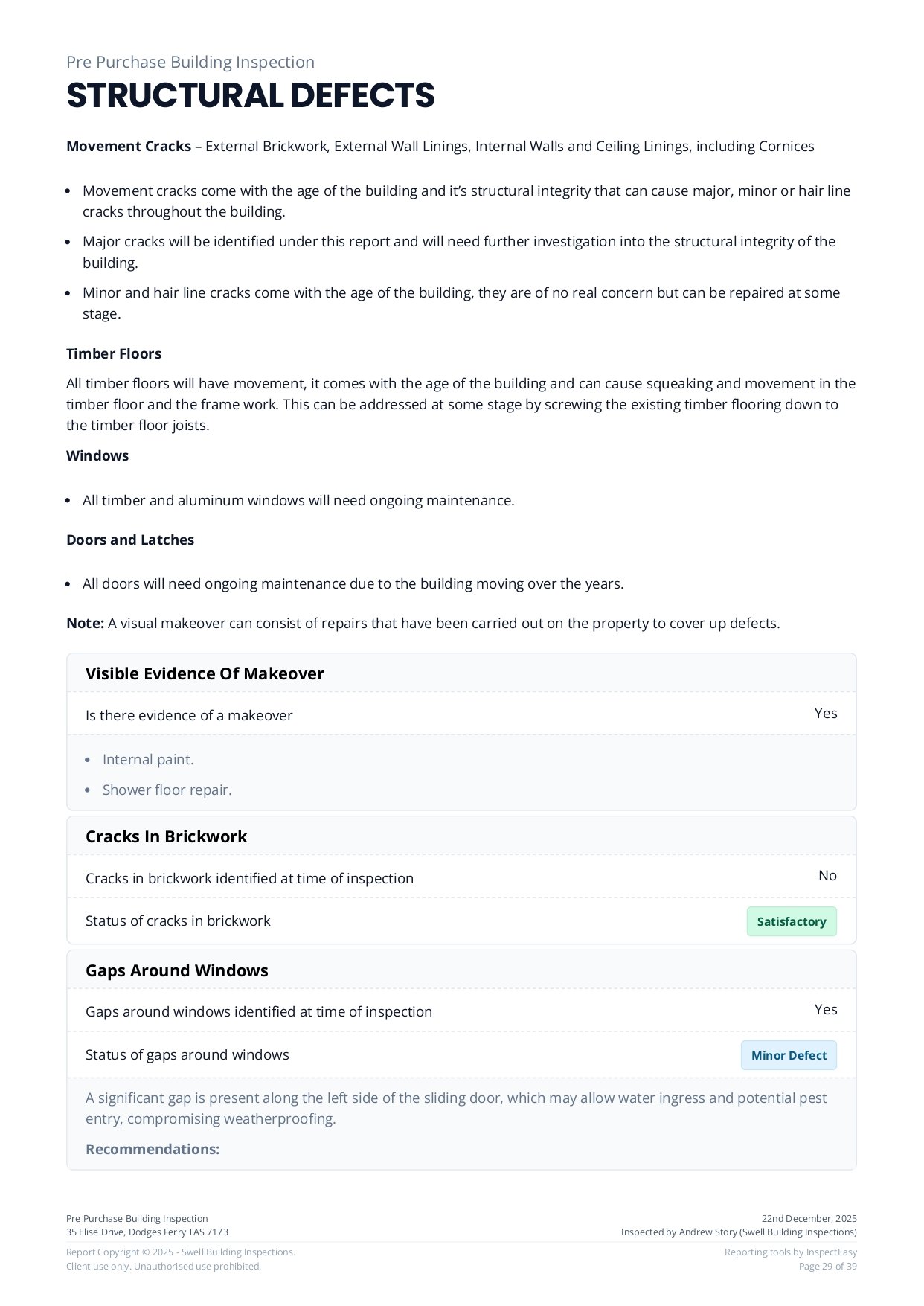
Andy inspected a home at Eaglehawk Neck, on Tasmania’s east coast. An addition facing the coast copped intense wind and rain, and water was getting in around the front windows.
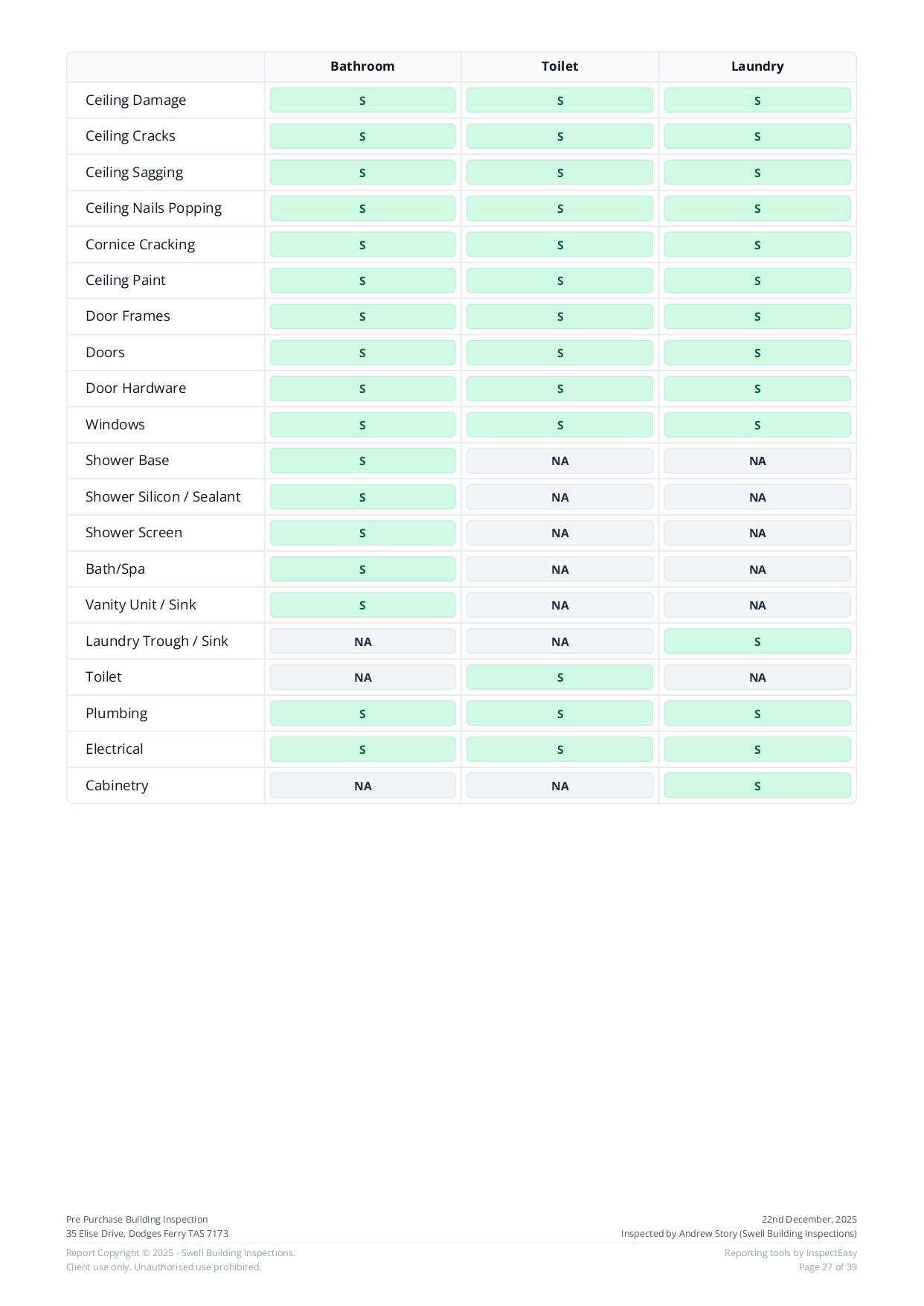
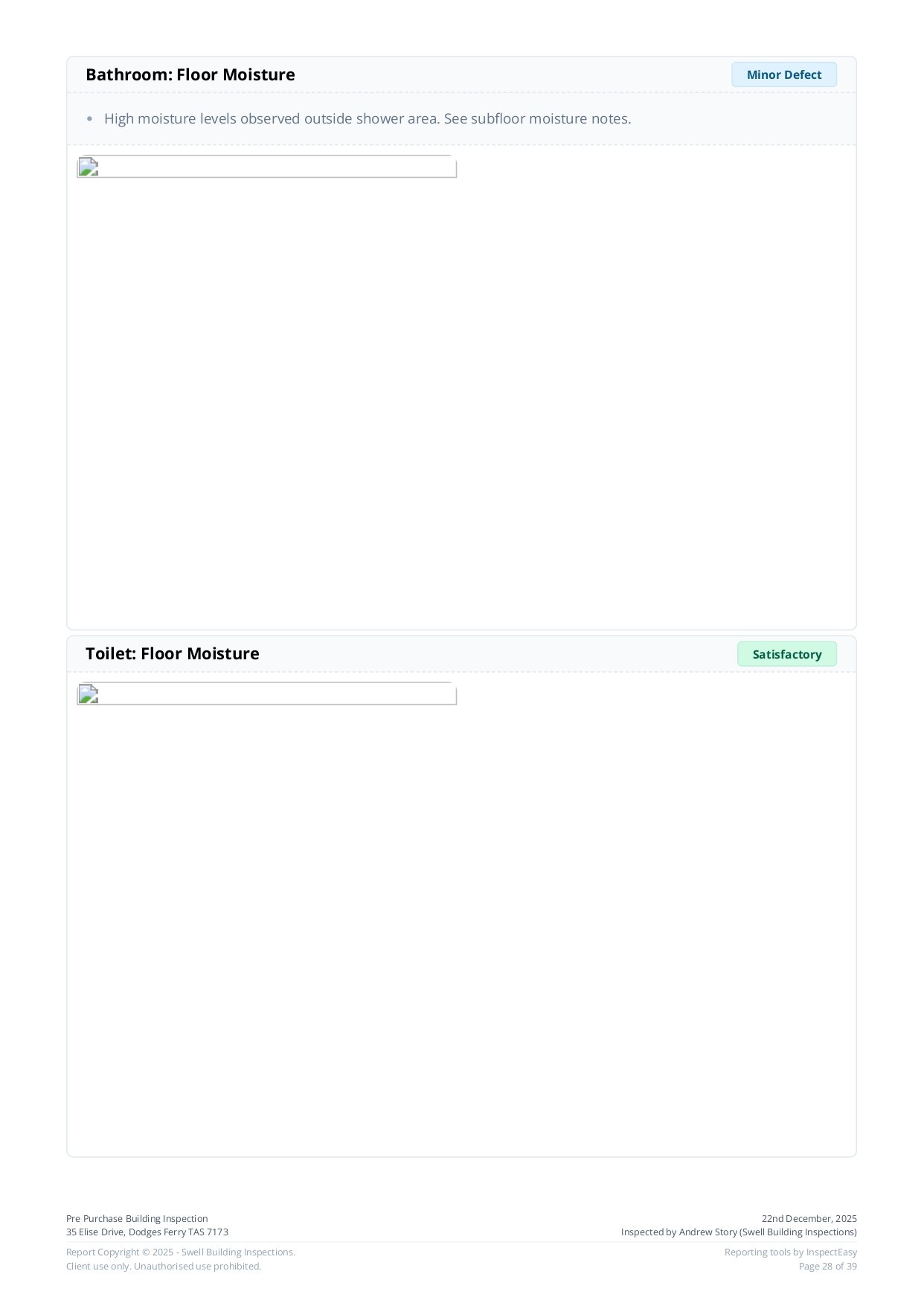
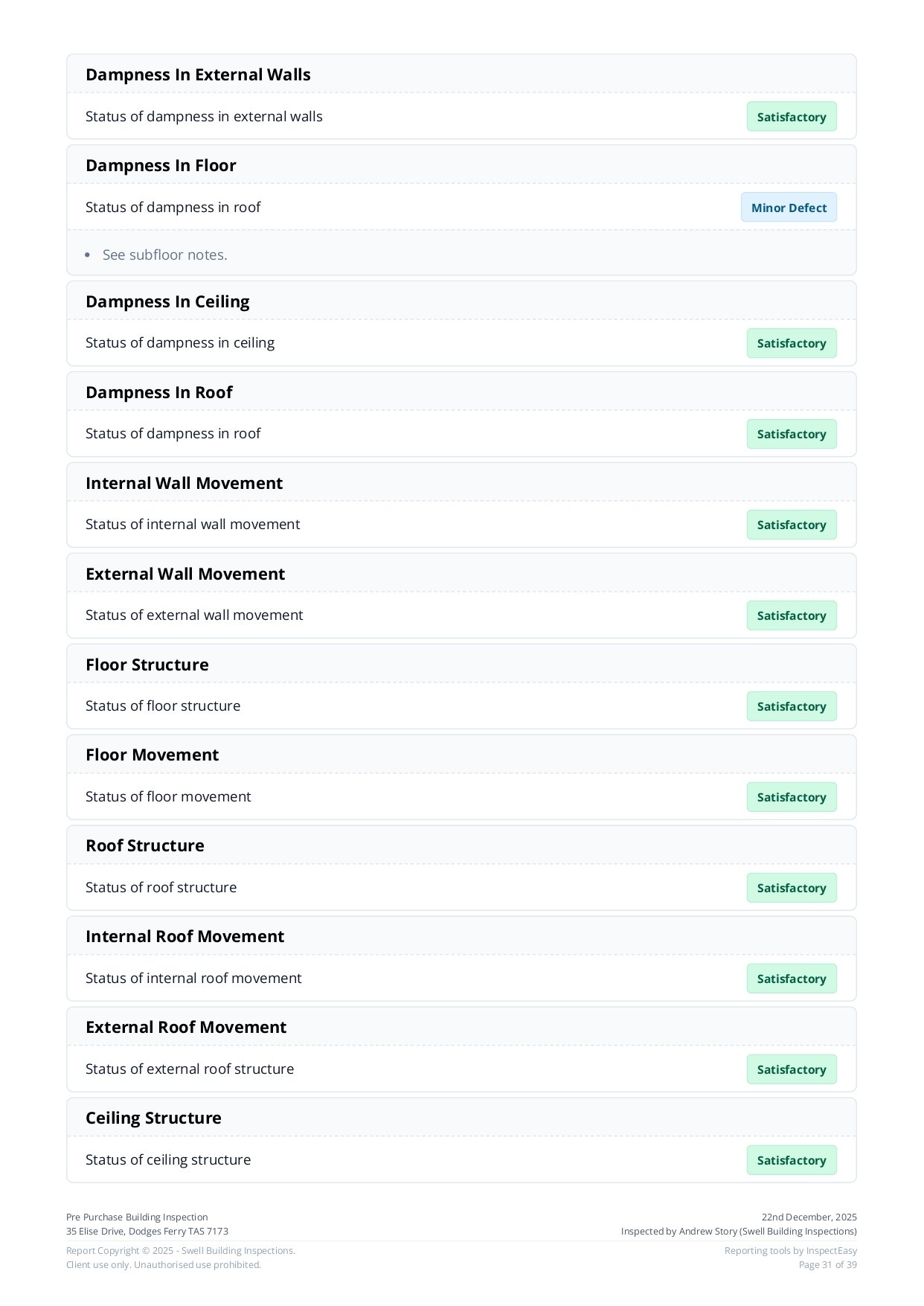
From inside, there were few signs of trouble. The window frames looked fine. But when Andy went into the subfloor, there were high moisture readings below those windows.
“Just enough” water was getting in along the bottom of the windows to cause problems. Left alone, that kind of moisture leads to mould, then decay and rot in the substrate, and eventually rot in the wall frame. Some of that rot may already be hidden inside the wall.
The fix: remove the cladding on that section of the building and redo the flashing around the windows properly. The cladding had been installed in a minimal way, with a joint running out sideways from a window, which is a high-risk spot. It wasn’t a high-cost repair, mainly some labour and fairly inexpensive cladding.
The bigger bills come from two sources Andy sees often around Hobart.
Subfloor moisture is “a fairly big one around Hobart”, and some suburbs are higher risk than others. Left unfixed, drainage problems can cause major structural issues. Andy has seen site drainage repairs worth $100,000 or more.
Many older Hobart homes still have galvanised corrugated iron roofs that are rusting through. Replacing the roof cladding on a small three-bedroom home can cost $20,000 to $25,000 or more.
In apartment and unit complexes, most of the water ingress Andy sees comes from the roof, and it’s usually a maintenance issue. Strata or body corporate maintenance often isn’t keeping up.
Many older unit complexes are double-storey cavity brick buildings with tiled roofs. The mortar around the ridge capping deteriorates and lets water in. “They tend to want to just slap band-aids on those things rather than doing a proper fix,” Andy says. So the leak may keep coming back, and may not get fixed as quickly as you’d like.
If you’re buying an apartment with a history of leaks, ask what repairs have been done and whether the strata has plans for a proper fix.
“The scenario where the client has some negotiating power is when a defect is identified within the building report,” Andy says. You can go back to the agent and owner and point out an issue they weren’t aware of.
That’s weaker for defects anyone could see, such as moisture staining on a ceiling, which the owner may already have known about and priced in.
The market matters too. In late 2026, Andy sees it becoming more of a buyer’s market, with properties not moving as quickly as they did six months earlier. That gives buyers more room to push. “It’s well within their right to go back to the agent and push a little harder,” he says.
For more on using your report to negotiate, see can you negotiate the price after a building inspection?
Water getting into a building from outside, through the roof, windows, doors, cladding or the ground. It’s different from a leak inside the house, such as a leaking shower or pipe.
It depends on the cause and whether it’s been properly fixed. A one-off leak that’s been repaired may be minor. An old roof or poorly maintained ridge capping can keep leaking. Ask your inspector what they think caused it.
Re-flashing and re-cladding around a window is usually a modest repair. Replacing the roof cladding on a small three-bedroom home can cost $20,000 to $25,000 or more. Major site drainage work can exceed $100,000.
Often, yes, especially if the defect wasn’t obvious before the inspection. Defects anyone could see may already be priced in, so expect pushback on those.
Moisture meters, a careful look for swelling and staining, and getting into the subfloor and roof space, where much of the evidence shows up first. Our guide to high moisture meter readings explains how inspectors read them.
Water is a building’s number one enemy, and water ingress ranges from a small flashing fix to a six-figure drainage job. Knowing which one you’re dealing with is what lets you negotiate, or walk away, with confidence.
Andy is a licensed builder with over 15 years of hands-on experience. Every Swell inspection comes with a plain-English report, usually within 24 hours, and a follow-up call to walk you through the findings. See our 2026 Hobart pricing guide for inspection costs.
Ready to book? Book your pre-purchase inspection or call 0483 935 688.