Builder License No:
512166802
512166802

A Nine News story recently did the rounds on Reddit. A young family thought they’d bought their dream home. Instead, they found a house riddled with termites, black mould and a giant beehive, and ended up living in what looked like a demolition site.
One Reddit user asked the question many buyers are now asking: “How can you protect yourself from buying a hell hole? How do you know the house isn’t full of black mould behind the walls?”
Andy from Swell Building Inspections answered it for host Jordan in our Pro Insights series.
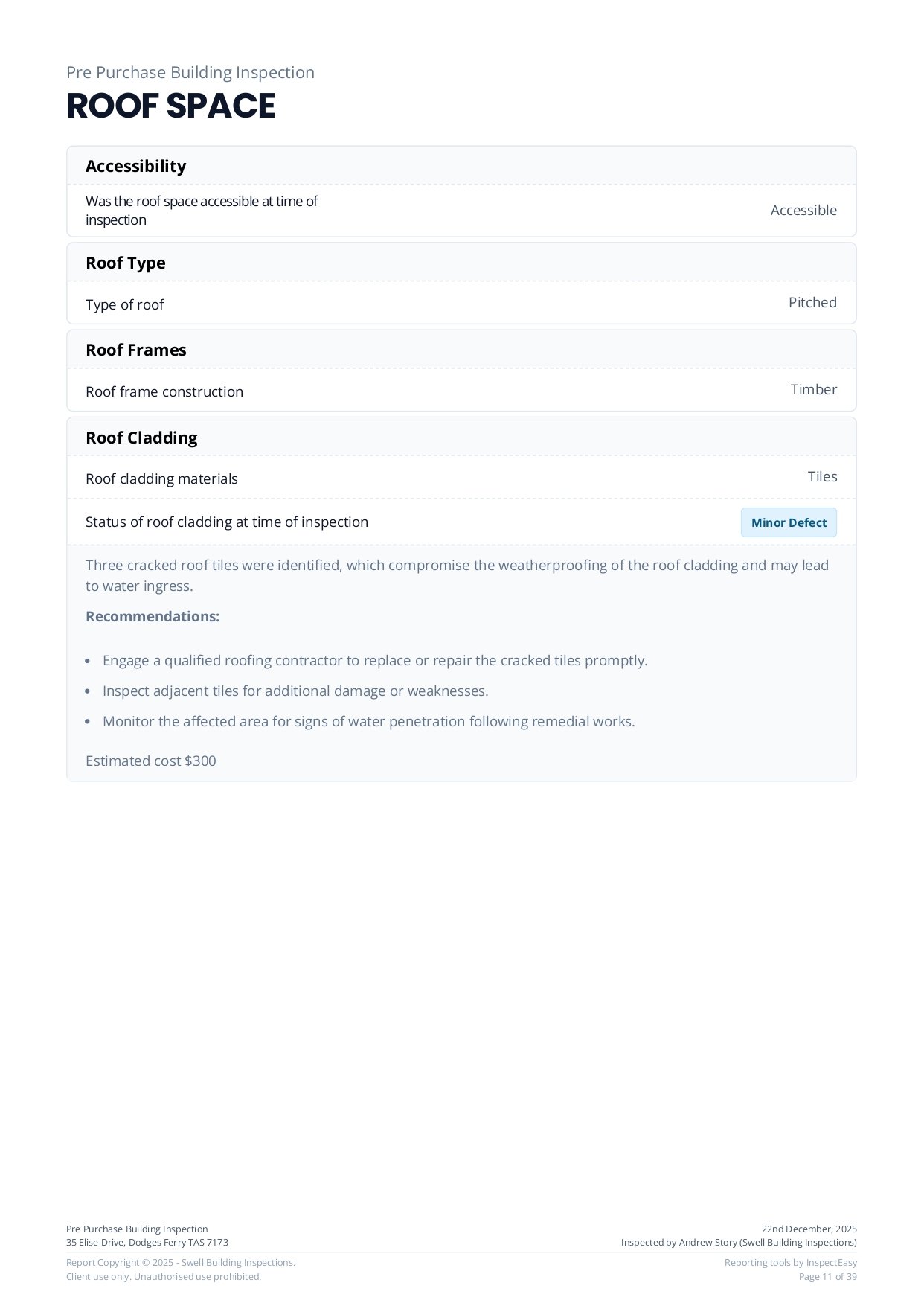
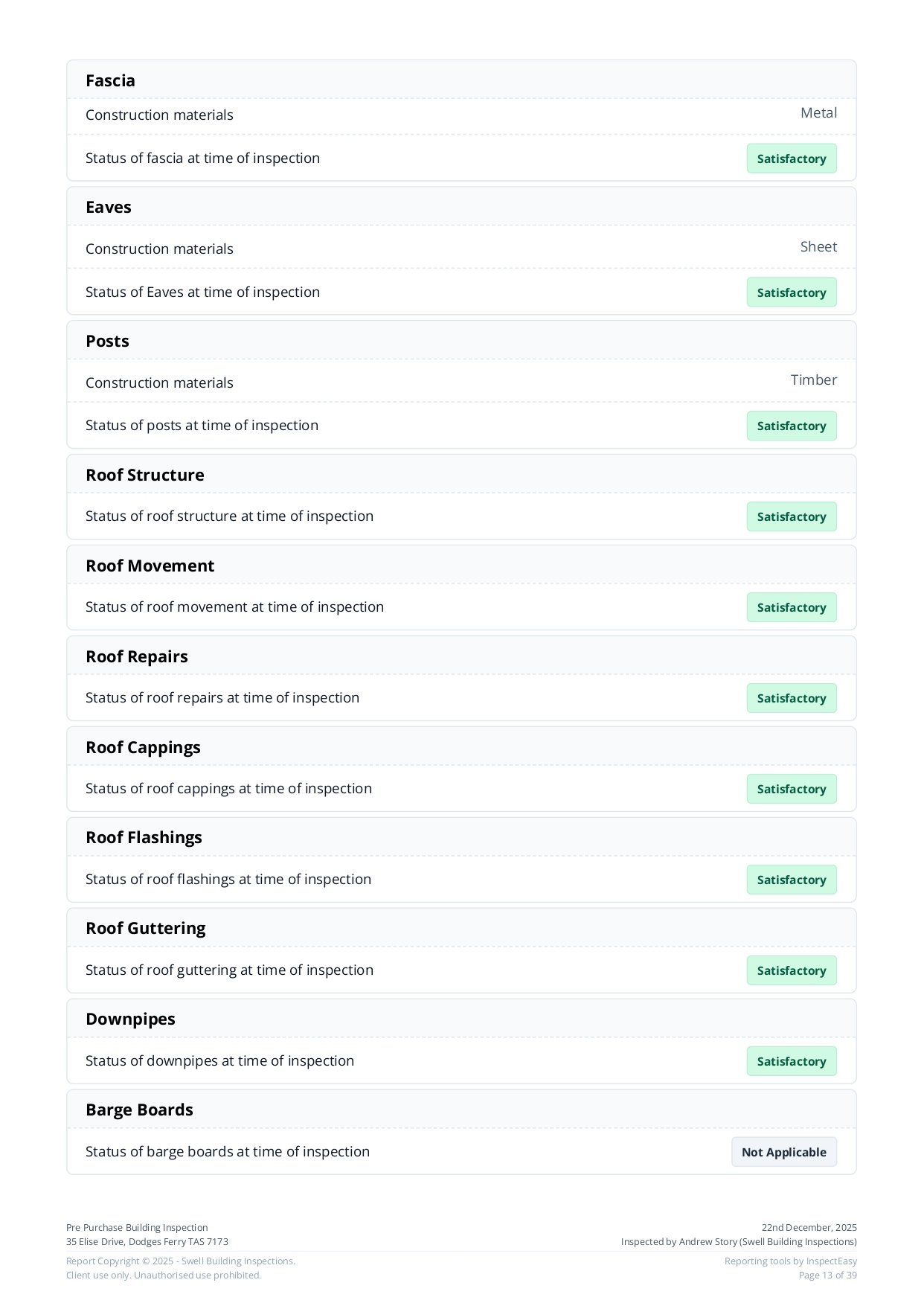
Here’s the short answer: you can’t see inside the walls, but mould needs moisture, and moisture can be found. A building inspection uses moisture meters, a close look at small enclosed spaces, and checks of the roof space and subfloor to find the conditions that lead to mould. Minor mould problems can often be fixed for a few thousand dollars. Left for years, they can make a house unliveable.
“There’s always an element of risk involved with purchasing a house,” Andy says. “You’re going to reduce that risk substantially with an inspection.”
An experienced inspector goes through houses every day and knows where moisture problems start. They can’t see through walls, and nobody can. But mould inside a wall cavity almost always comes with moisture, and moisture shows up on a moisture meter.
Mould can sometimes form and then dry out. Even so, moisture testing combined with a careful visual check for mould is the best starting point any buyer has.
You don’t need to be an inspector to spot some of the red flags. When you walk through a house, look for:
Ventilation and natural sunlight are two of the best defences against mould. Spaces that get neither are where it tends to start.
Most people open the wardrobe doors, think “nice wardrobe” and move on. Andy’s tip is to look up into the top corners and down into the bottom corners, ideally with a torch. That’s where mould in low-ventilation spaces usually shows first.
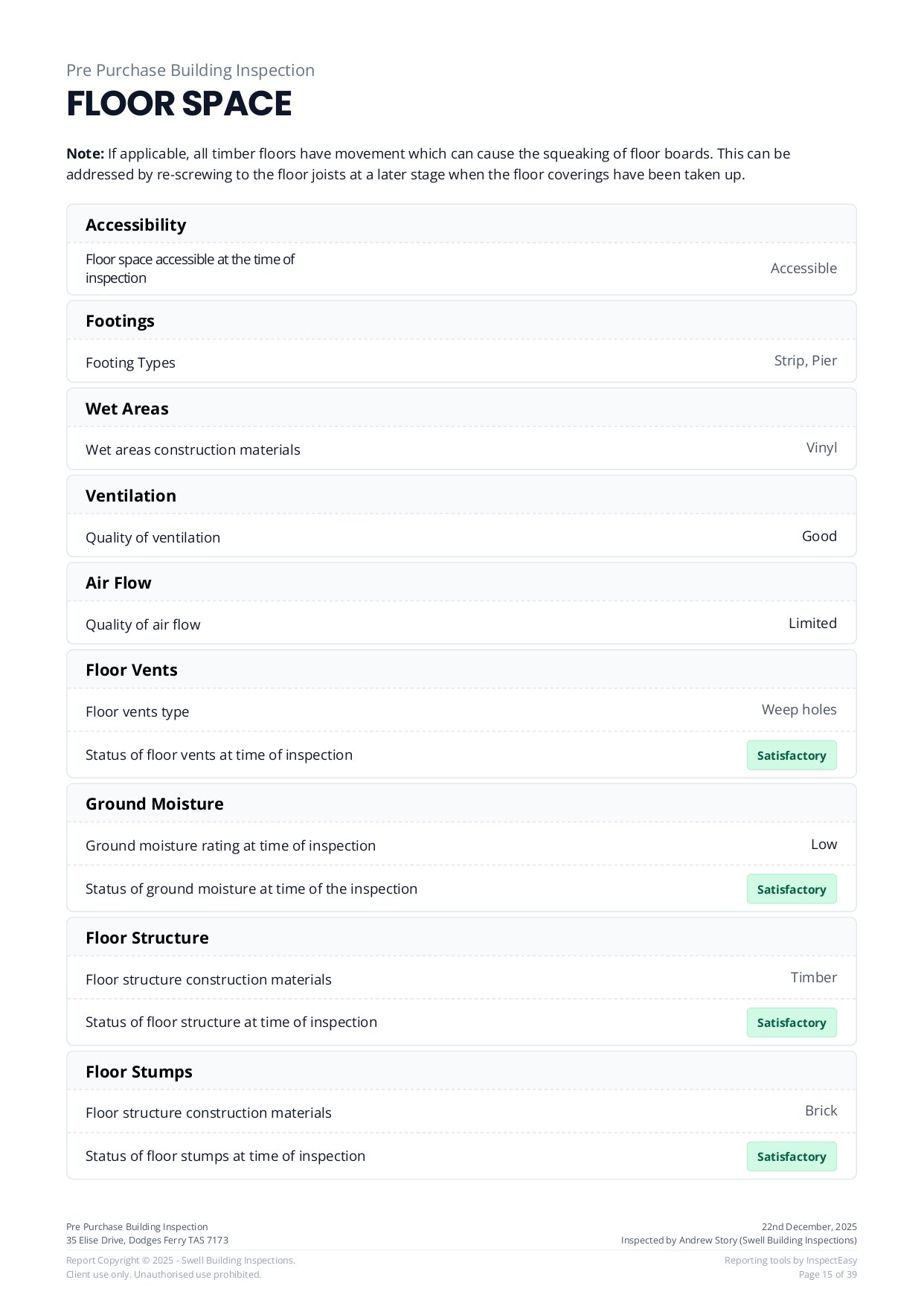
Even if you’re careful at the open home, two of the most important areas are ones buyers rarely see:
“These are areas where those moisture problems will start,” Andy says. That’s why he recommends a building inspection regardless of how good the house looks.
He recently inspected a house for owners who had bought it two years earlier without a pre-purchase inspection. They wanted to replace a cupboard and needed to check it wasn’t hiding mould or moisture first. An inspection before they bought would likely have answered that question.
The worst moisture and mould case Andy has seen in an existing home was in Sandford, just outside Hobart.
The owners had bought the house about a year earlier. Before the sale, the old roof had been replaced with a new Colorbond roof. Then moisture staining and mould started appearing in the wardrobes and laundry.
Here’s what Andy found:
Roof space ventilation is now part of approved plans for new builds, so this mainly affects older homes, particularly ones that have been re-roofed.
Mould costs vary hugely depending on how far it has spread. Andy’s indicative figures:
In the Sandford case, the combination of ceiling repairs, roof ventilation, subfloor ventilation and drainage came to roughly $5,000.
At the other extreme, Andy has a friend in South Australia who knocked down an old farmhouse because of mould that had built up over decades. In cases like the one in the news story, wall linings have to come off whole rooms so the mould inside the cavities can be treated, and costs climb quickly.
The difference is usually time. Andy believes that if the Sandford owners had left the problem another two to five years, “it would have got nasty. It would have been mould everywhere.”
The news story also featured termites. Tasmania is a low termite-risk area, so they’re less of a concern here than on the mainland. Damp timber can still attract other timber pests and fungal decay, though. Our guide to pest inspections in Tasmania explains what a building inspection covers and when a specialist pest inspection is worth it.
You can’t see it directly, but mould needs moisture. A building inspector uses a moisture meter to find damp areas in walls and ceilings, and looks for staining, swelling and mould in nearby spaces. Elevated moisture is a strong signal that mould could be present or could develop.
In small, enclosed spaces with little ventilation or sunlight: wardrobes, linen and laundry cupboards, and poorly ventilated bathrooms. Check the top and bottom corners with a torch.
Yes, if the roof space isn’t ventilated. A well-sealed roof with no ventilation, especially with exhaust fans venting into it, can trap condensation that soaks through ceilings and causes mould.
Minor problems, such as replacing small sections of ceiling and improving ventilation, might cost a few thousand dollars in total. Widespread mould inside wall cavities can cost far more, and in extreme cases a house may not be worth saving.
A pre-purchase building inspection includes moisture testing and a visual check for mould in accessible areas, including the roof space and subfloor where access allows. It can identify moisture problems that lead to mould, even where the mould itself isn’t visible.
Mould is one of the hidden risks of buying a house, but it rarely appears without moisture, and moisture can be found. Check enclosed spaces at the open home, and get an inspection that covers the roof space and subfloor. Caught early, mould and the moisture behind it are usually manageable. Left alone, they can turn a dream home into a demolition site.
Andy is a licensed builder with over 15 years of hands-on experience. Every Swell inspection comes with a plain-English report, usually within 24 hours, and a follow-up call to walk you through the findings. See our 2026 Hobart pricing guide for inspection costs.
Ready to book? Book your pre-purchase inspection or call 0483 935 688.